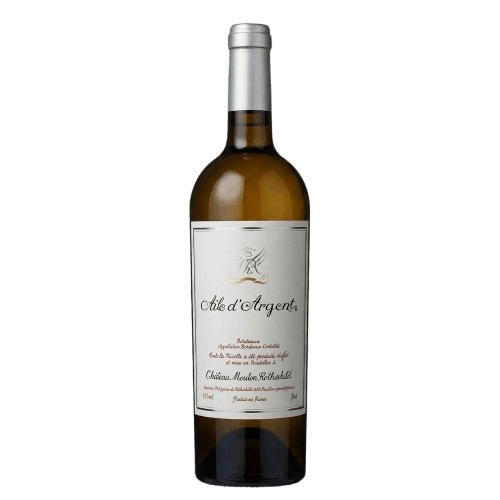
Muscadelle is an aromatic white wine grape originating in south-west France and traditionally associated with the white wines of Bordeaux. Usually included in small proportions, it contributes floral, musky and lightly spiced aromas to blends with Sémillon and Sauvignon Blanc. Despite its name and muscat-like character, Muscadelle is a distinct grape variety and is not a member of the Muscat family.
Quick Grape Facts
- Grape Type: Aromatic white wine grape
- Origin: South-west France
- Key Regions: Bordeaux, Sauternes, Barsac, Entre-Deux-Mers and Loupiac
- Primary Styles: Dry white blends and botrytised sweet wines
- Common Blending Partners: Sémillon, Sauvignon Blanc and Sauvignon Gris
- Typical Aromas: Acacia, honeysuckle, orange blossom, honey, musk and gentle spice
- Structure: Soft and aromatic, generally contributing roundness rather than pronounced acidity
- Typical Blend Contribution: Usually a minority component and rarely more than approximately 10%
- Botrytis Susceptibility: High, making the variety particularly suited to sweet-wine production under favourable conditions
- Canonical Name: Muscadelle
- Local and Historical Names: Issal de Tarayre, Marmésie, Bouillenc, Musquette, Raisinote, Cadillac and Muscat Fou
Regional Expressions and Wine Styles
In Sauternes, Barsac and other sweet-wine appellations of Bordeaux, Muscadelle supports the more structurally important Sémillon and Sauvignon varieties. Its susceptibility to Botrytis cinerea, or noble rot, allows it to contribute concentrated floral, honeyed and musky notes to liquoreux wines. Muscadelle’s role is generally aromatic rather than structural: Sémillon provides richness and depth, Sauvignon Blanc supplies freshness, and Muscadelle adds a distinctive layer of perfume and complexity.
In dry Bordeaux whites, particularly those from Entre-Deux-Mers and the wider Bordeaux appellation, Muscadelle is used to enhance freshness of aroma and broaden the blend’s sensory range. It can contribute white flowers, subtle musk and gentle spice alongside the citrus, herbal character and acidity of Sauvignon Blanc and the texture of Sémillon. Because Muscadelle is fragile in the vineyard and normally represents only a small part of the final blend, varietal wines are uncommon. Its importance lies instead in its ability to give both dry and sweet Bordeaux whites greater aromatic definition.
Explore Muscadelle Wines on Sipfind
Explore Muscadelle wines, regions and current offers from selected wine retailers on Sipfind.